AI-powered modeling for generative ensembles
How do we generate conformational ensembles of proteins using generative AI models? 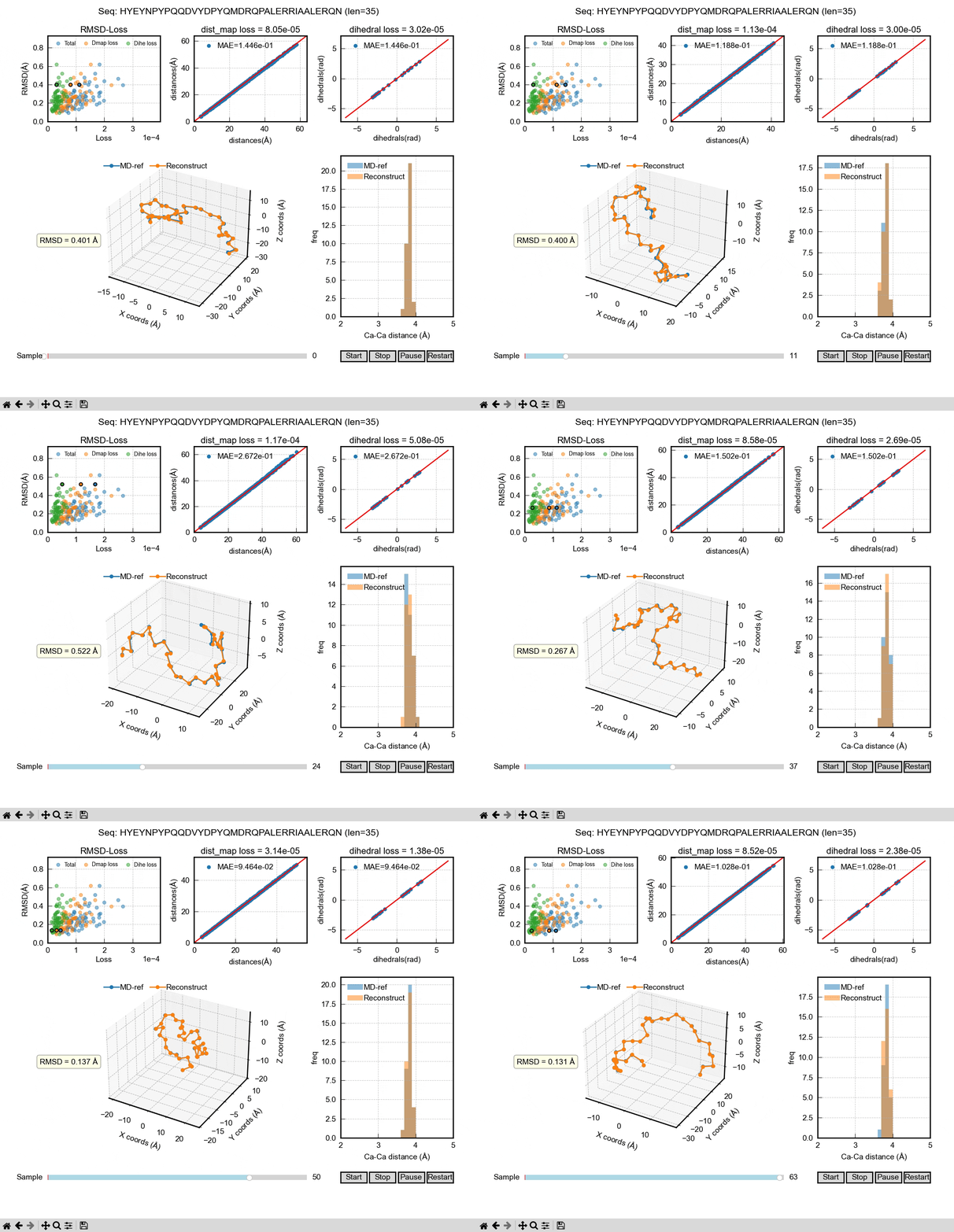
Read more
How do we generate conformational ensembles of proteins using generative AI models?
Read more
Incorporating biophysical features into deep learning overcomes extrapolation failures in protein sequence-function modeling. 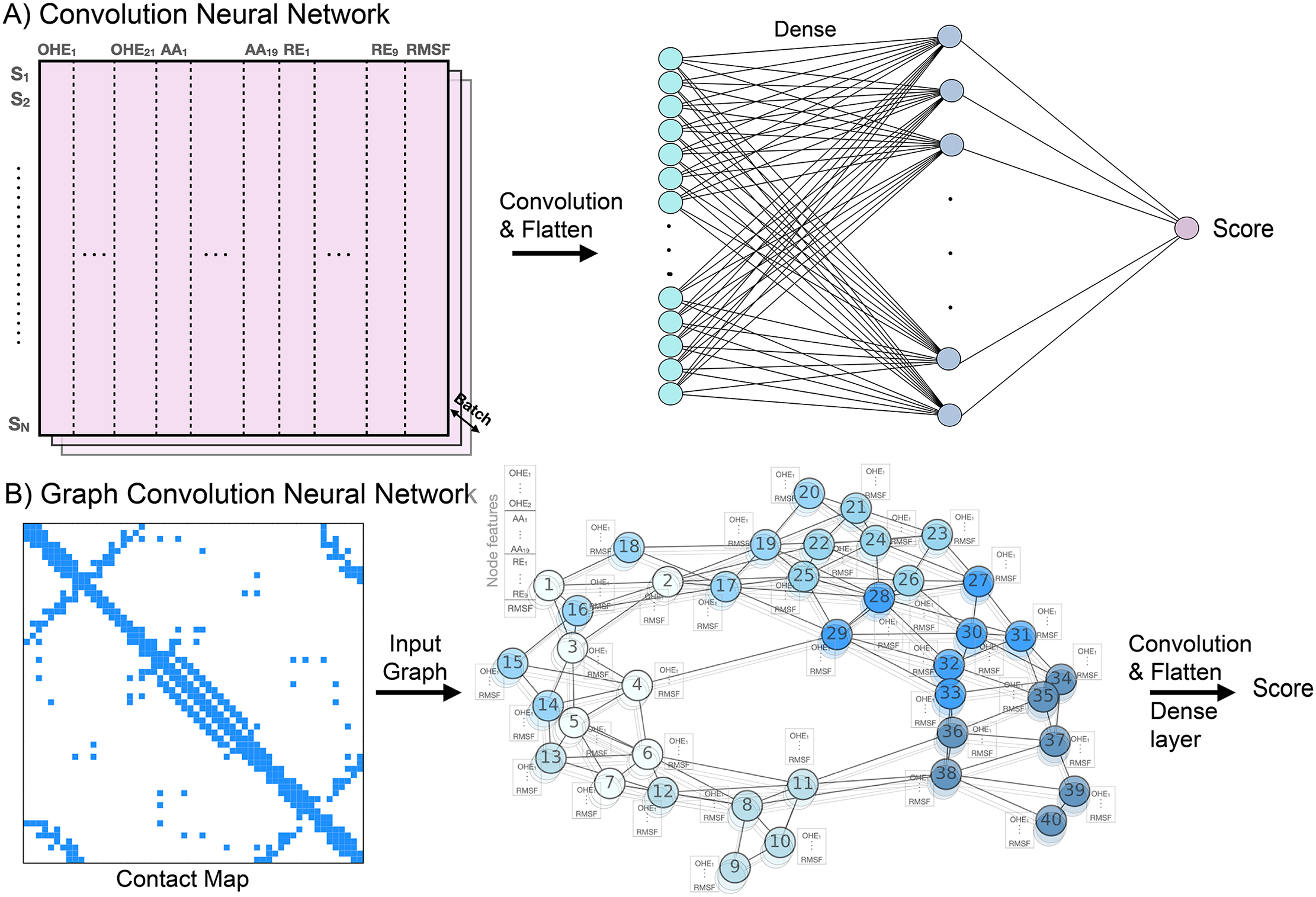
Read more
How does TMEM16F open its pore to conduct both ions and lipids? 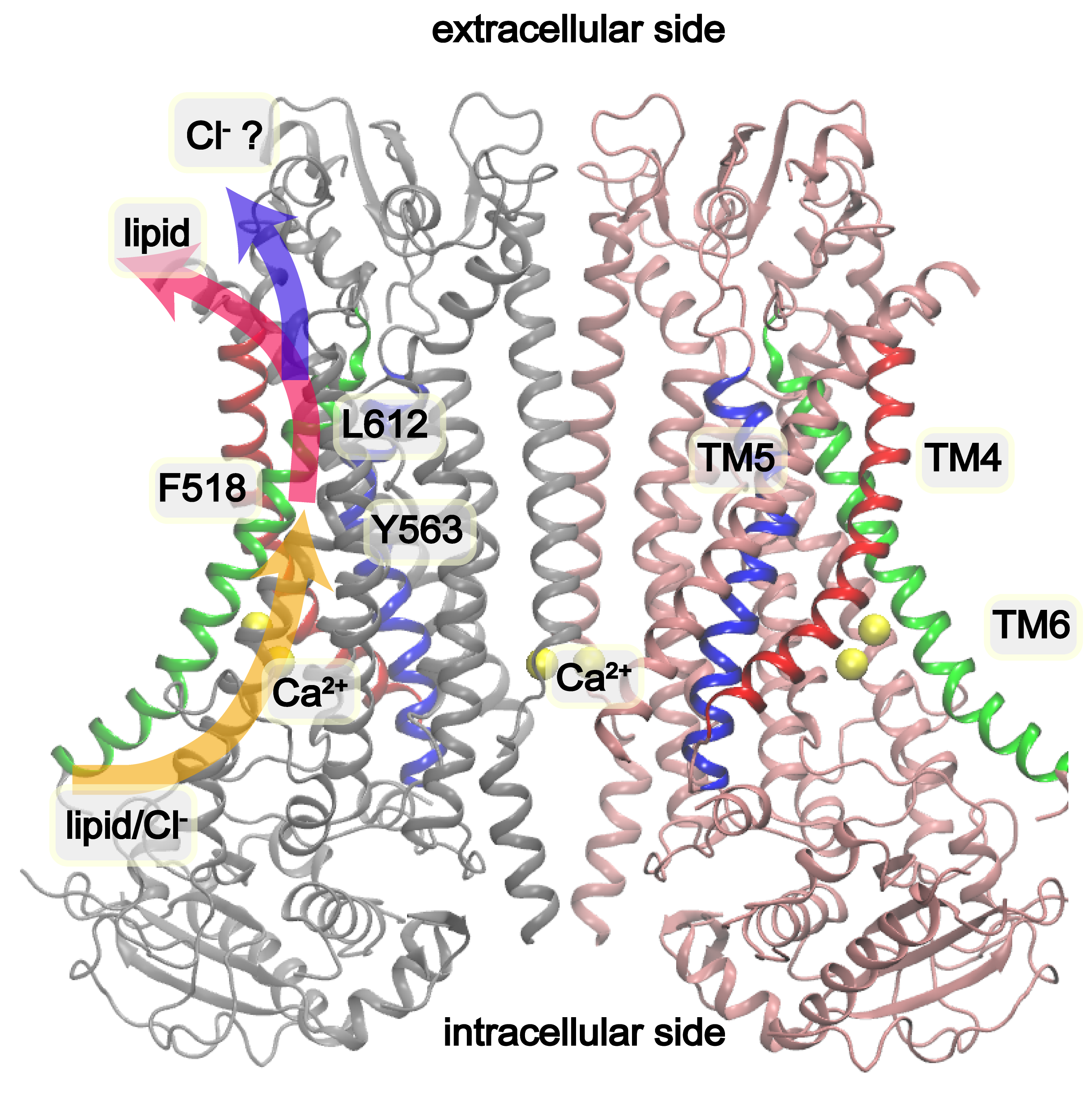
Read more
Dissecting hydrophobic gating and PIP2-mediated regulation in the TRPV4 ion channel using atomistic simulations. 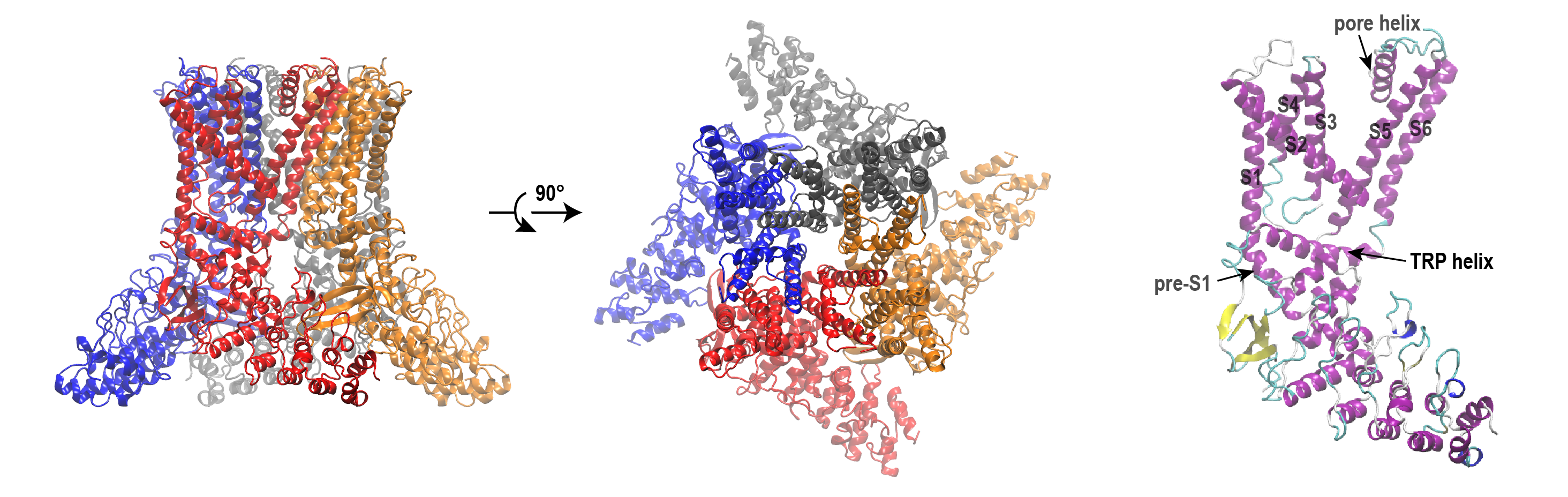
Read more
Coarse-grained simulations reveal how the phosphorylatable P1 domain docks onto the kinase P4 domain in multiple productive and nonproductive modes to regulate CheA autophosphorylation. 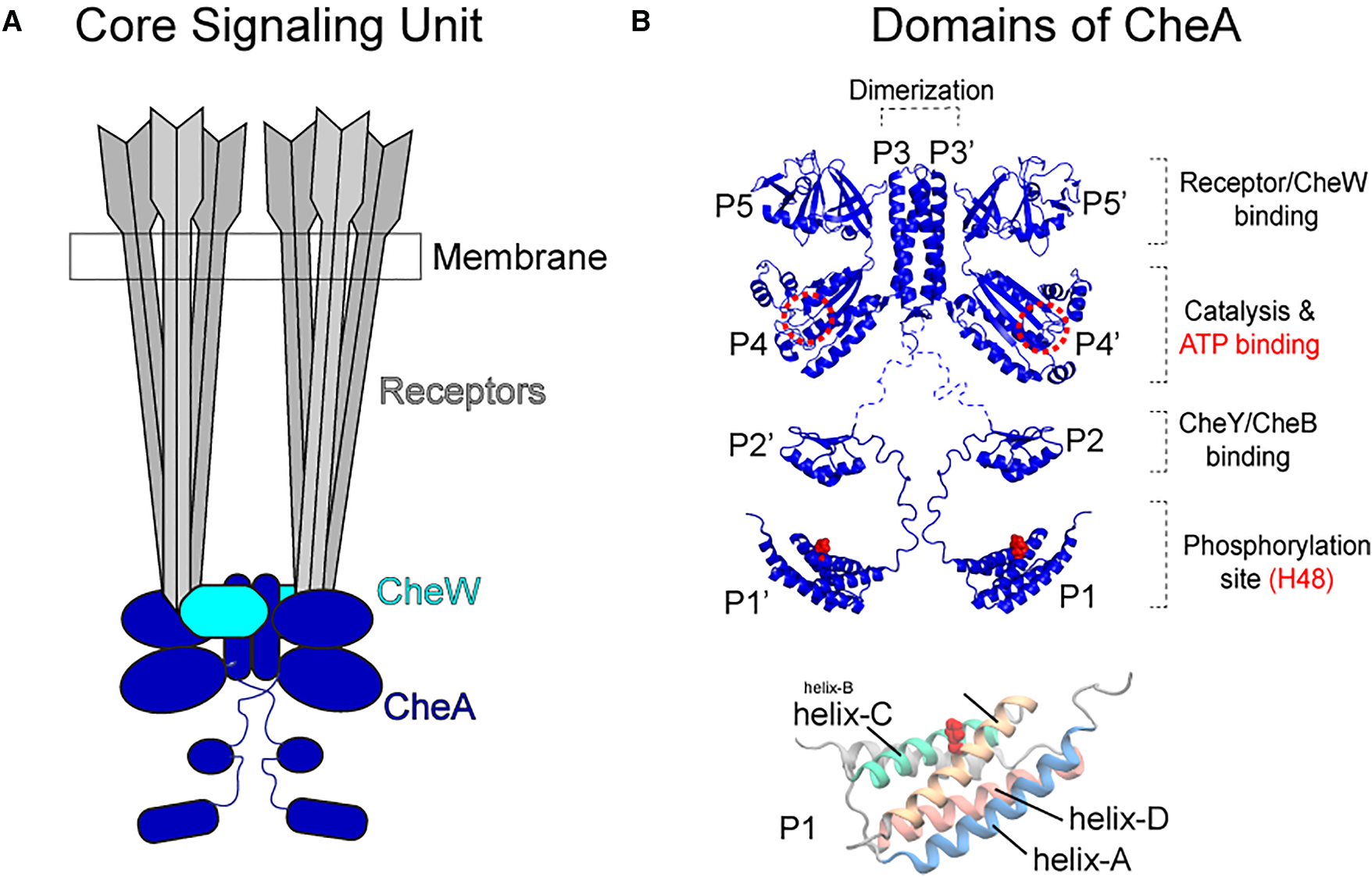
Read more
In silico affinity maturation identifies single point mutations on the SARS-CoV-2 RBD that can enhance binding to the hACE2 receptor, with 6 out of 9 predictions confirmed by SPR assay. 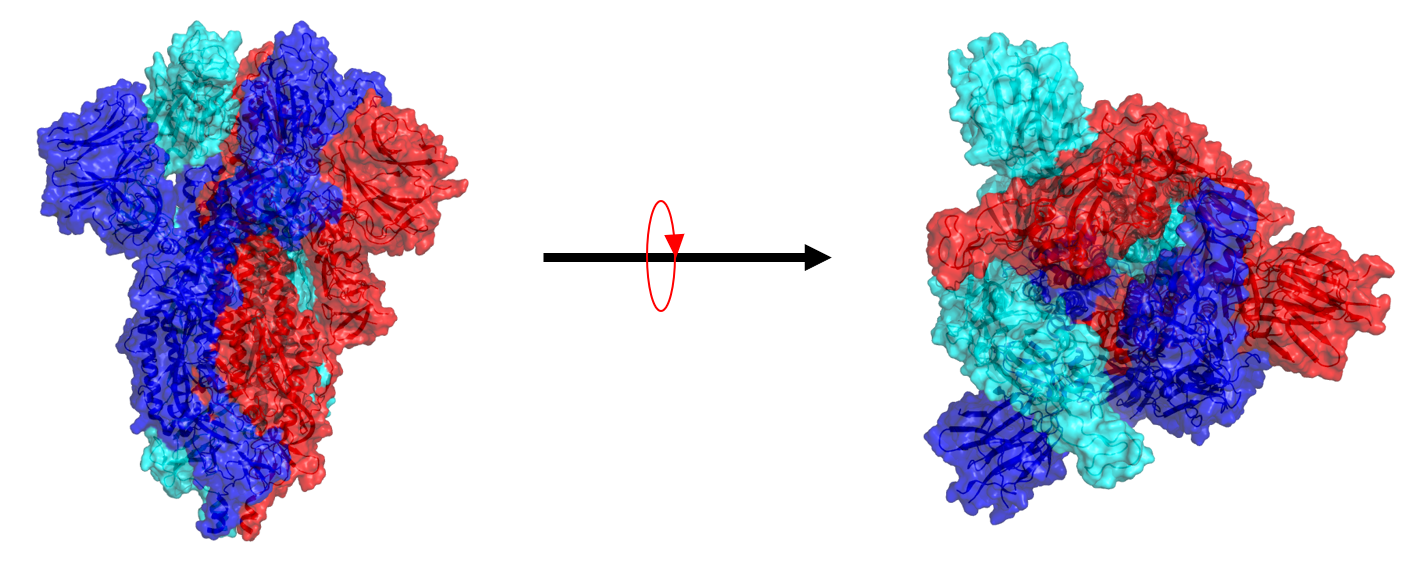
Read more