Page Not Found
Page not found. Your pixels are in another canvas. Read more
A list of all the posts and pages found on the site. For you robots out there is an XML version available for digesting as well.
Page not found. Your pixels are in another canvas. Read more
What is MD and why it is powerful to study protein structure-function relationship? Read more
About me Read more
This is a page not in th emain menu Read more
After spending five years or so doing computational biophysics research in Prof. Jianhan Chen's lab, I have successfully completed my PhD dissertation defense and officially become a PhD in computational biophysics. 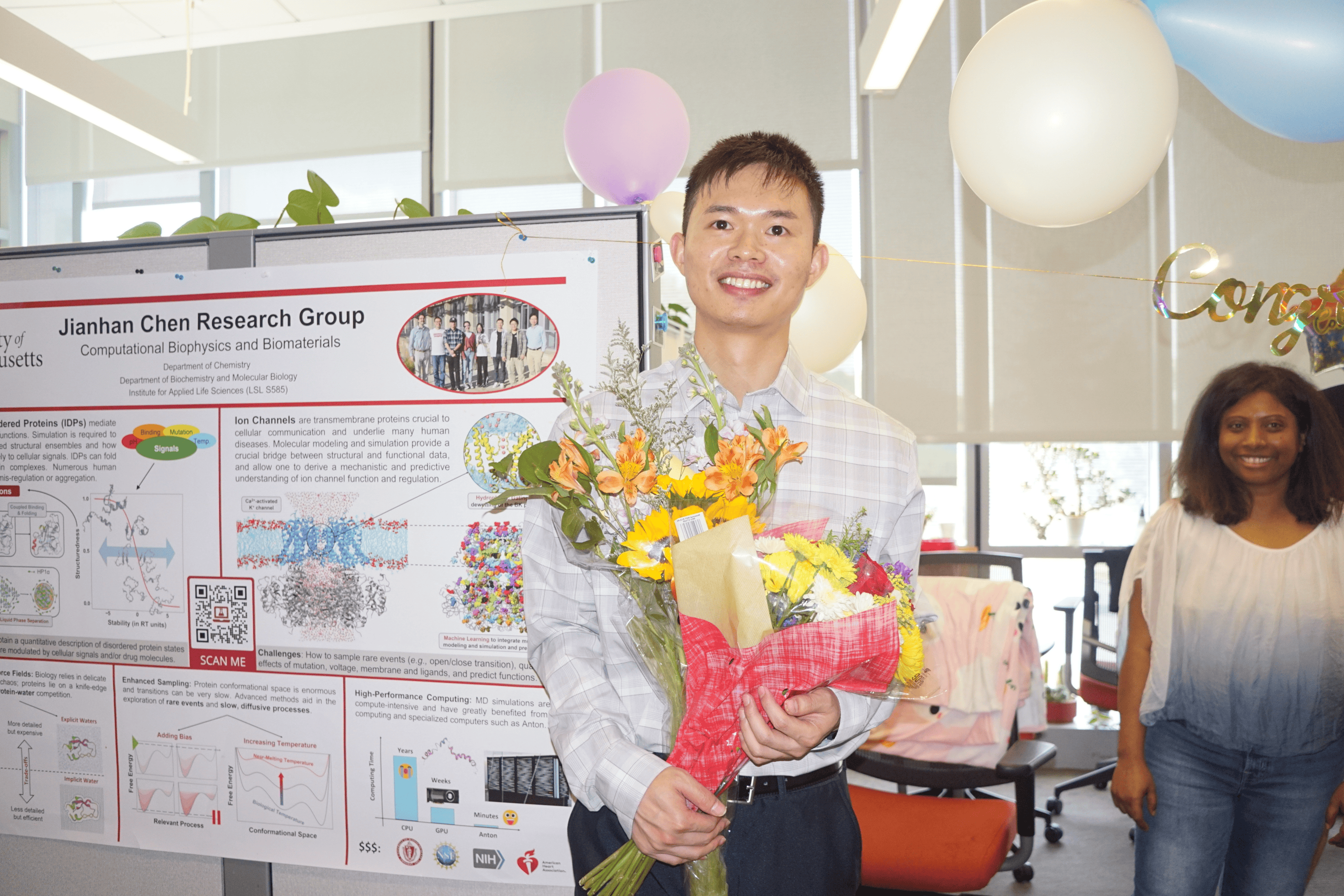
Read more
After finishing my 3-month internship at Merck, I attended the annual ResearchFest event held by the Chemistry department of UMass Amherst. I was selected as one of four presenters in this event to represent research in the department. I won the second place for the presentation and was awarded the Dr. Paul Hatheway Terry Endowment Award as first-runner up 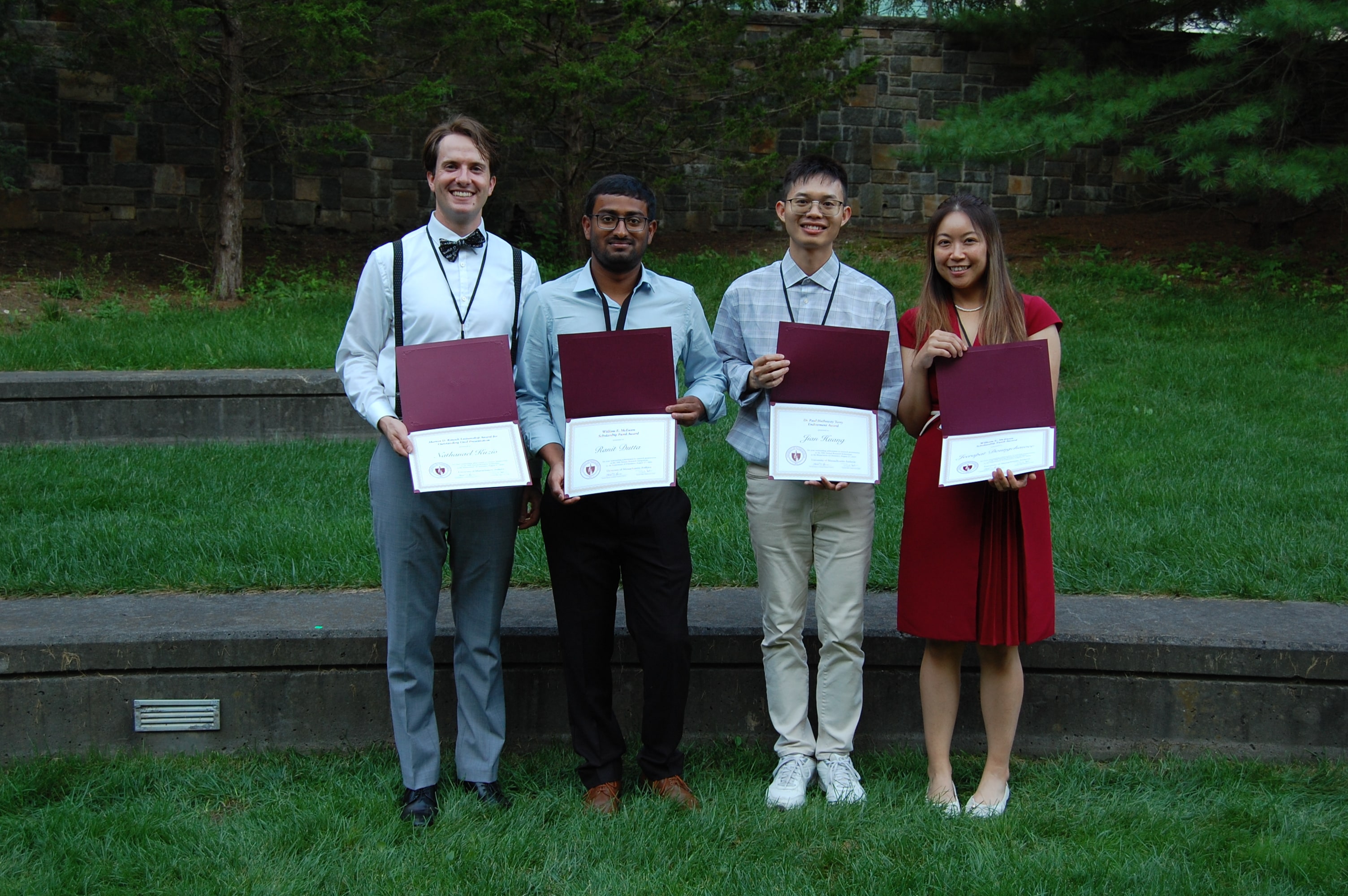
Read more
In this short review, we summarize recent progresses toward understanding the structural basis of TRP channel function, as well as potential ligand binding sites that could be targeted for therapeutics. 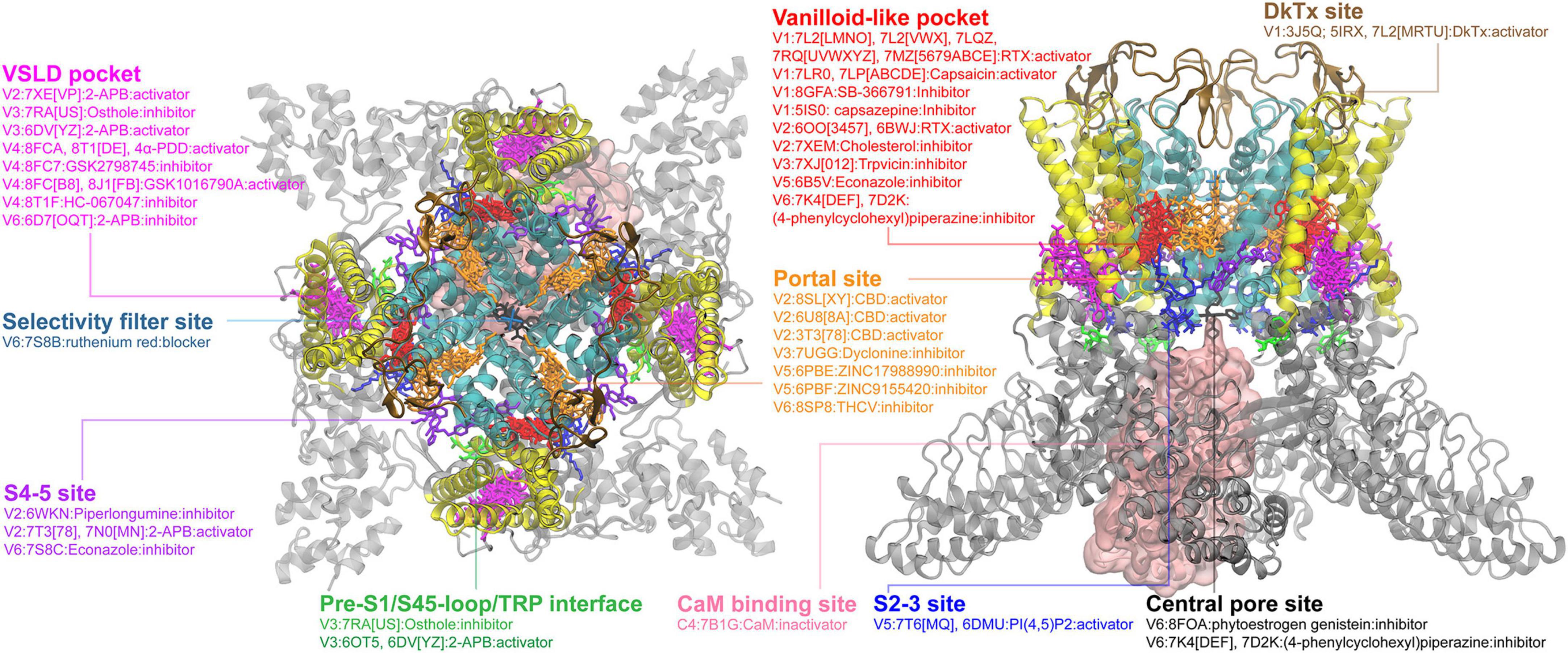
Read more
Transmembrane ion channels frequently regulate ion permeation by forming bundle crossing of the pore-lining helices when deactivated. The resulting physical constriction is believed to serve as the de facto gate that imposes the major free energy barrier to ion permeation. Intriguingly, many ion channels also contain highly hydrophobic inner pores enclosed by bundle crossing, which can undergo spontaneous dewetting and give rise to a “vapor barrier” to block ion flow even in the absence of physical constriction. Using atomistic simulations, we show that hydrophobic gating and bundle-crossing mechanisms co-exist and complement one another in the human TRPV4 channel. In particular, a single hydrophilic mutation in the lower pore can increase pore hydration and reduce the ion permeation free energy barrier by about half without affecting the bundle crossing. We believe that hydrophobic gating may play a key role in other bundle-crossing ion channels with hydrophobic inner pores. 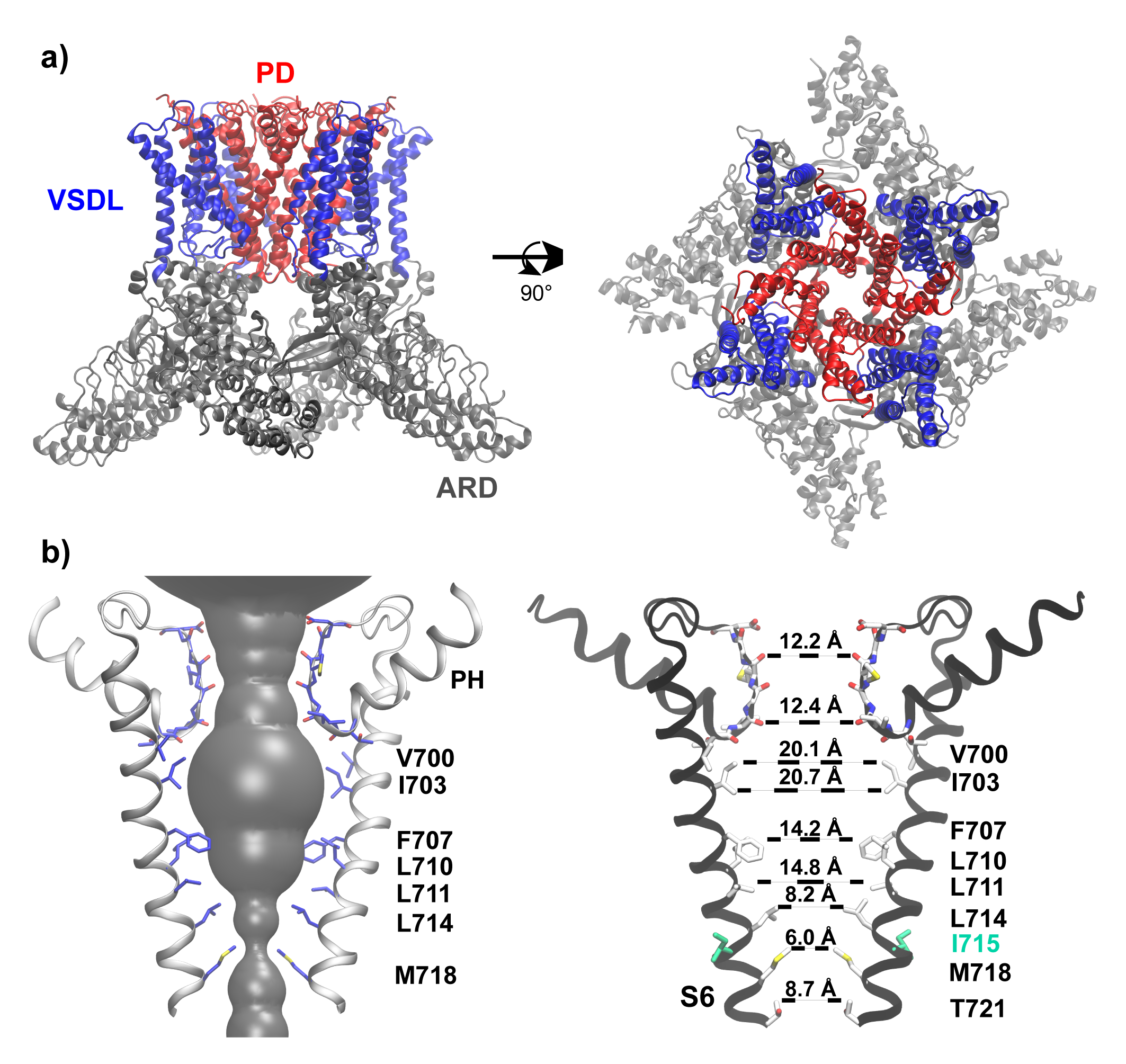
Read more
The original research proposal (ORP) is an exam designed to test the ability of graduate students to identify significant scientific questions, to develop research proposals based on rationalized and well-reasoned hypotheses, and, most importantly, to successfully defend the proposal. 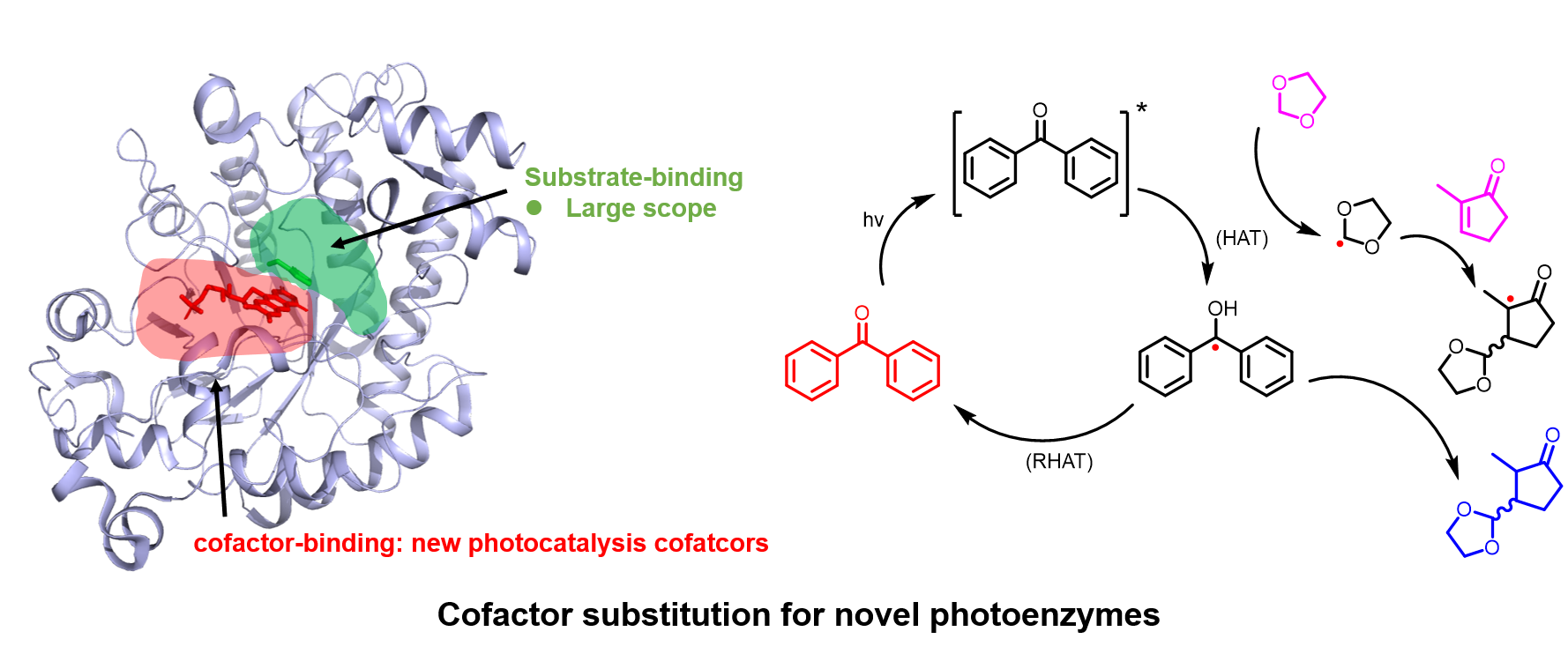
Read more
CBI program (Chemistry-Biology Interface) is a highly competitive UMass-funded and NIH-funded fellowship, aiming to train students from different backgrounds to advance scientific research “at the interface of chemistry and biology”. 
Read more
The Biophysical Society (BPS) annual meeting is held by the international biophysics society, aiming at leading, disseminating, and advancing knowledge in biophysics. 
Read more
After a year-long remote study in China, I finally arrived in the U.S. and met with Chen lab members! 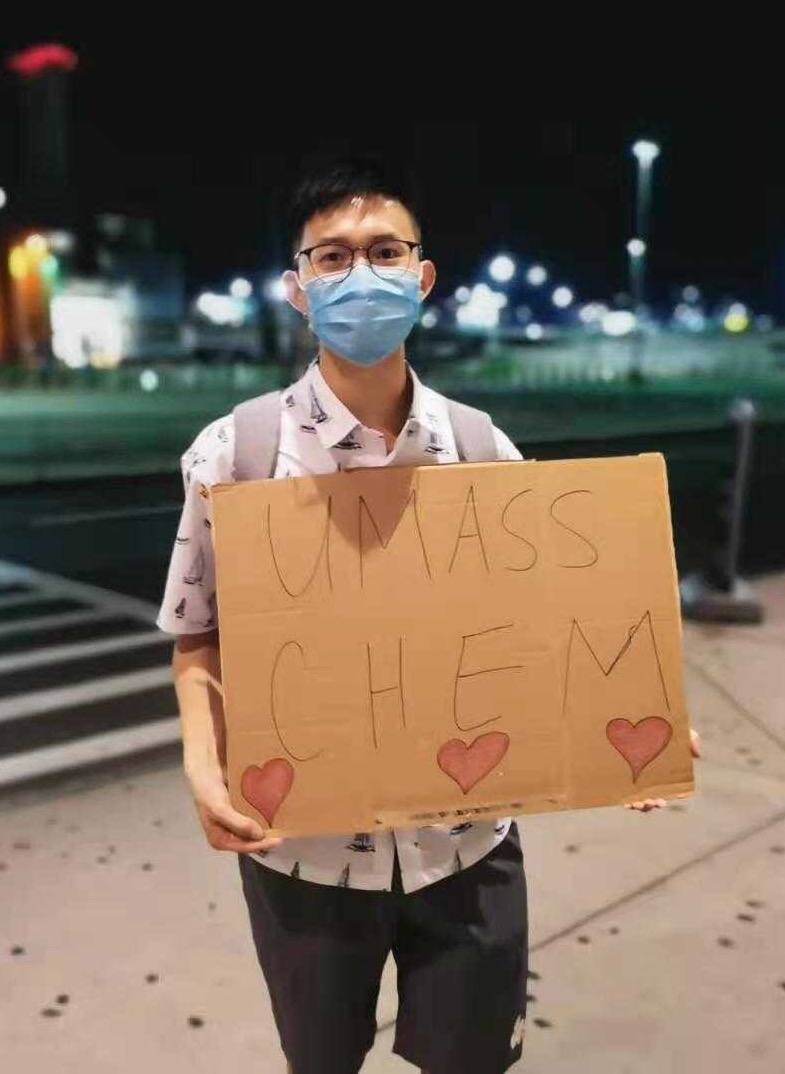
Read more
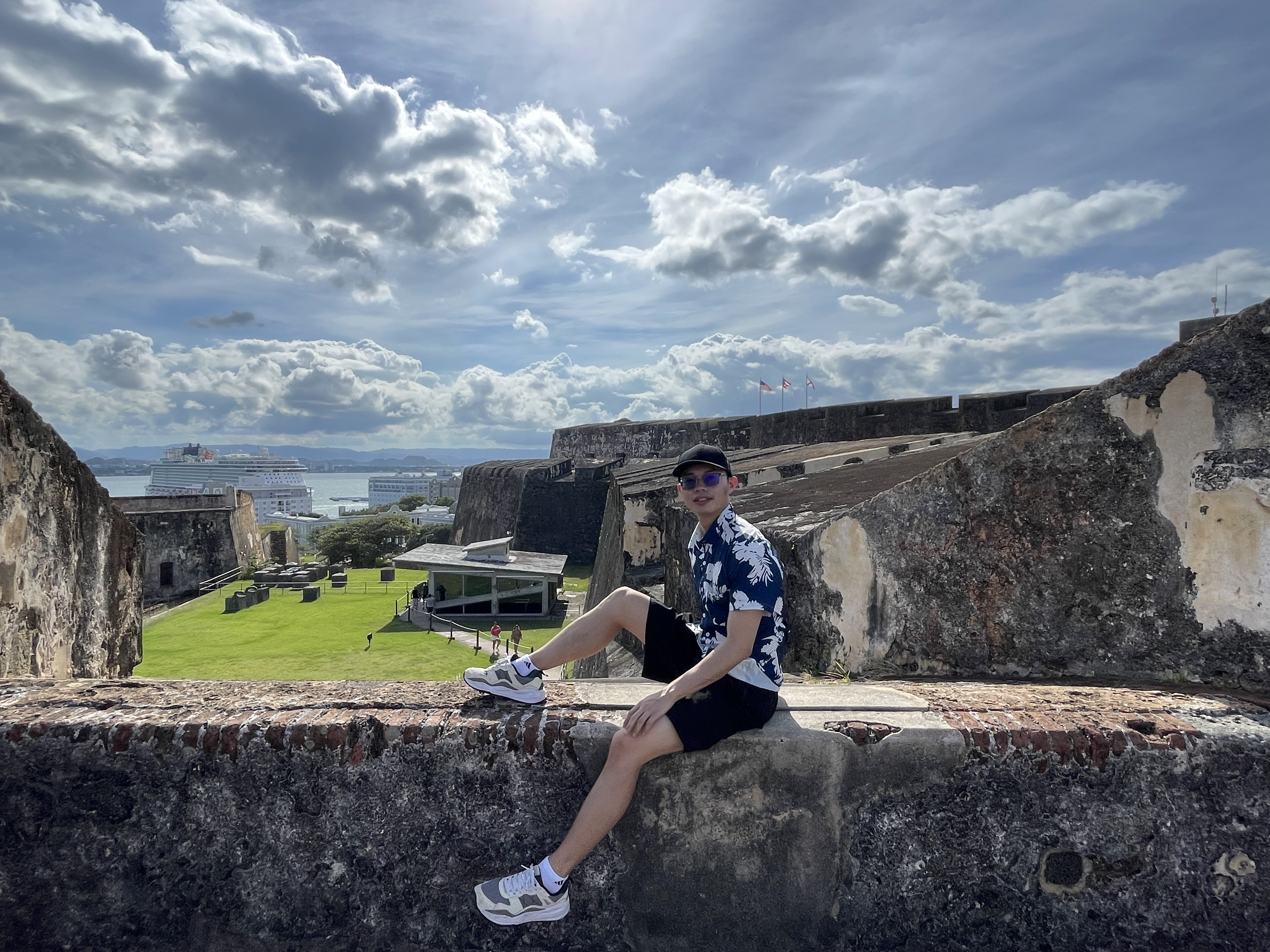
A trip to Puerto Rico
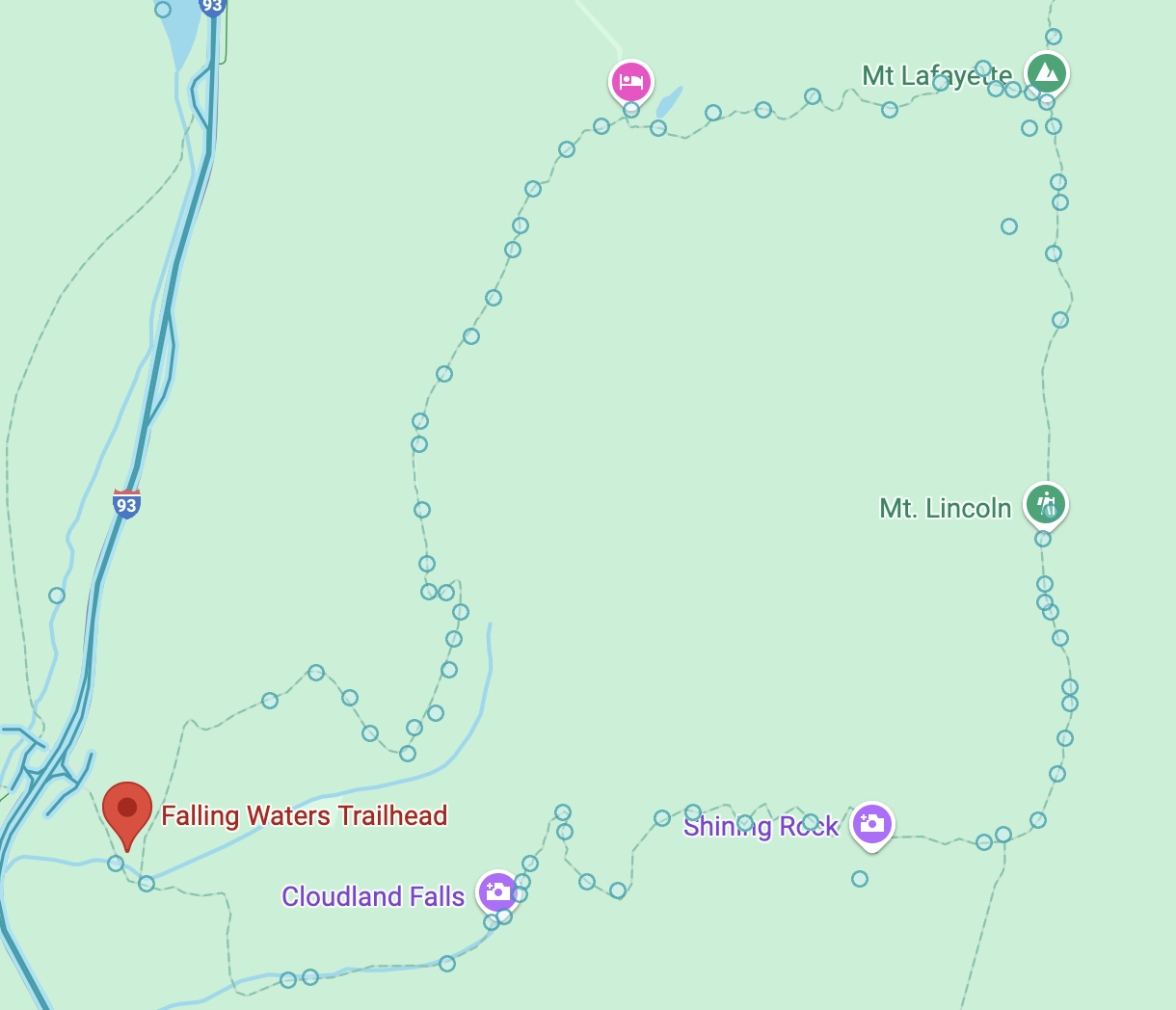
Hiking to the Mount Lafayette with friends from UMass Amherst.
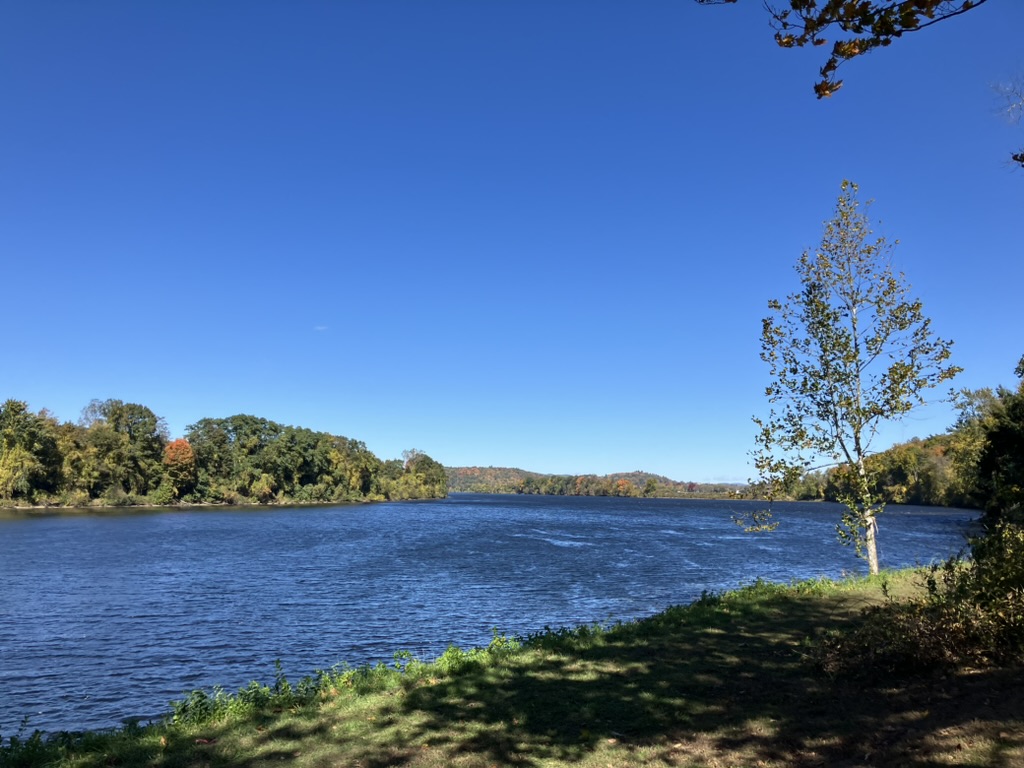
Hiking to the Northfield Mountain Reservoir with a friend.
This paper is about the number 1. The number 2 is left for future work. Read more
Recommended citation: Your Name, You. (2009). "Paper Title Number 1." Journal 1. 1(1). http://academicpages.github.io/files/paper1.pdf
This paper is about the number 2. The number 3 is left for future work. Read more
Recommended citation: Your Name, You. (2010). "Paper Title Number 2." Journal 1. 1(2). http://academicpages.github.io/files/paper2.pdf
This paper is about the number 3. The number 4 is left for future work. Read more
Recommended citation: Your Name, You. (2015). "Paper Title Number 3." Journal 1. 1(3). http://academicpages.github.io/files/paper3.pdf
In silico affinity maturation identifies single point mutations on the SARS-CoV-2 RBD that can enhance binding to the hACE2 receptor, with 6 out of 9 predictions confirmed by SPR assay. 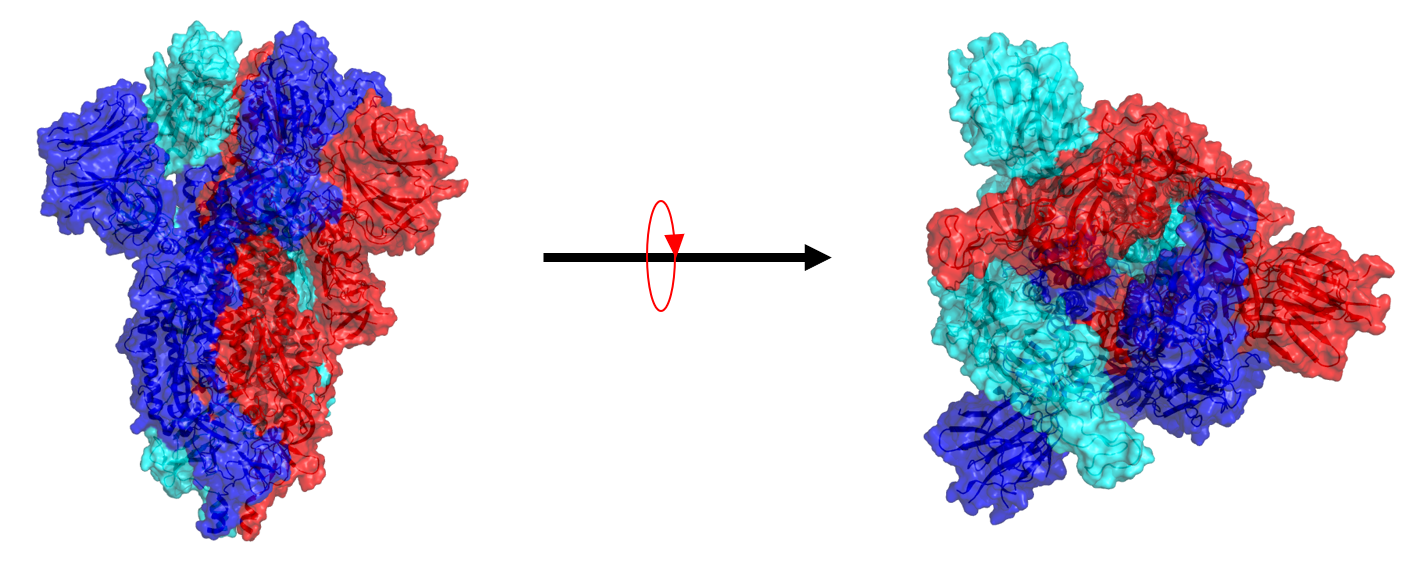
Read more
How does TMEM16F open its pore to conduct both ions and lipids? 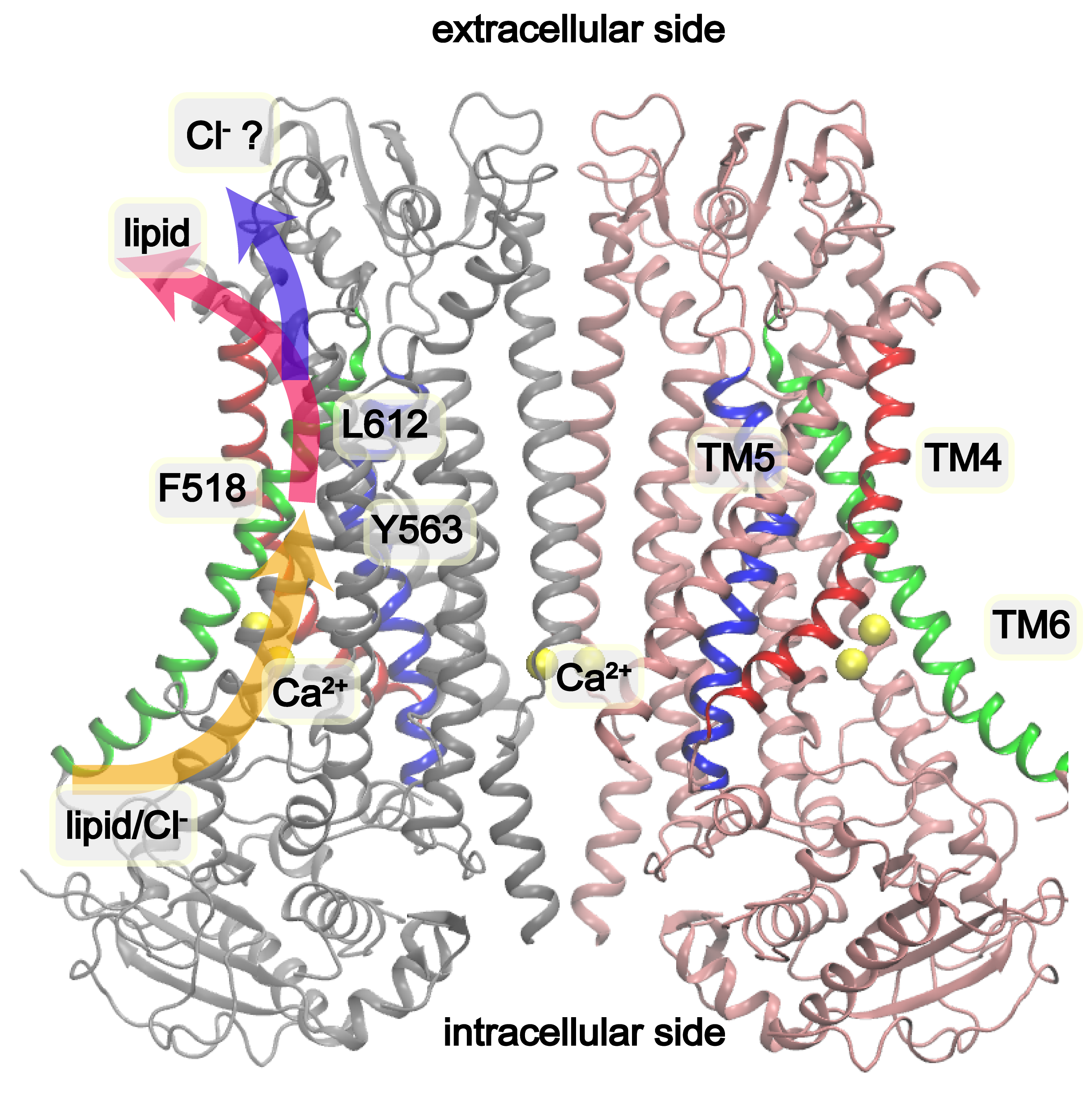
Read more
How do we generate conformational ensembles of proteins using generative AI models? 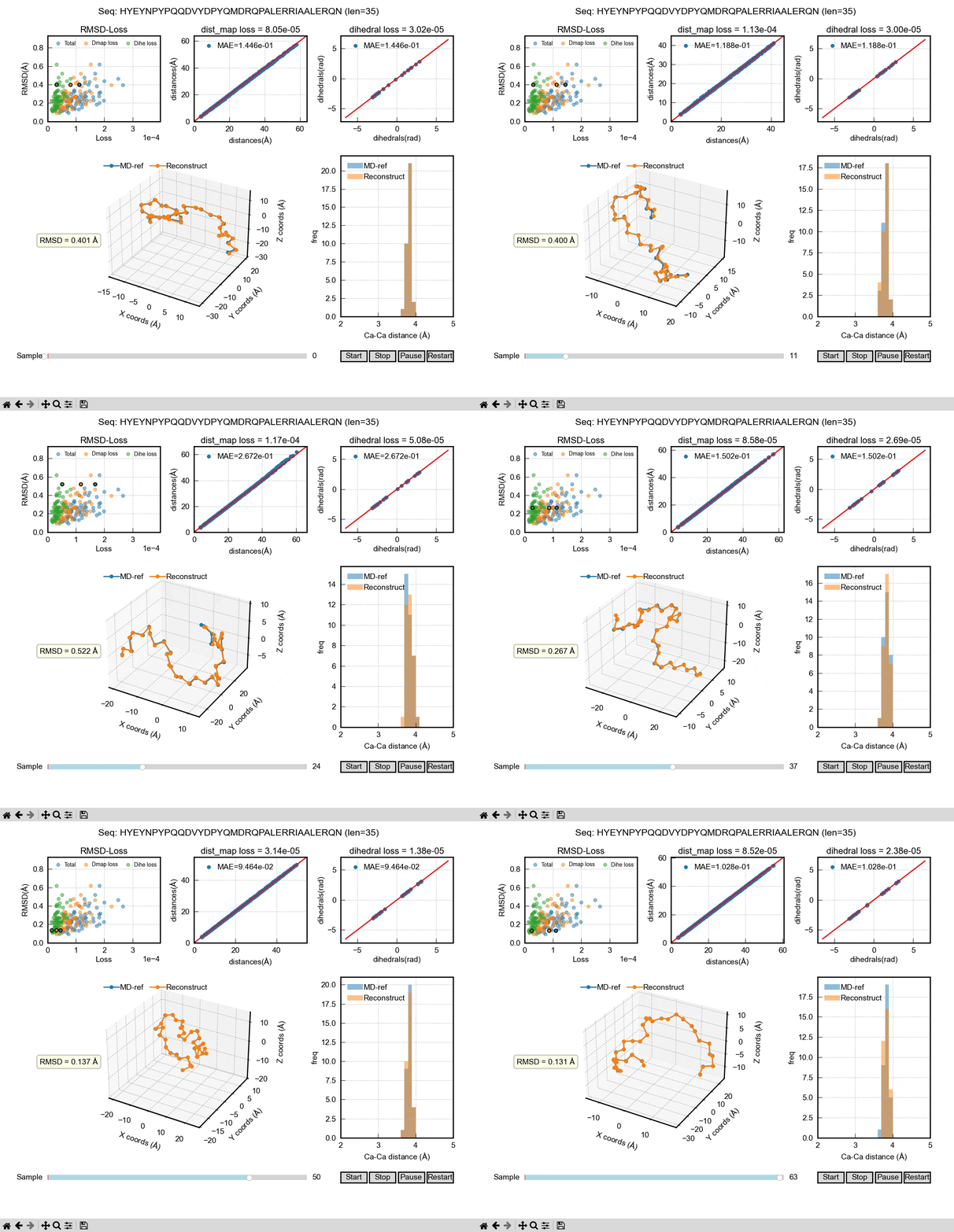
Read more
Dissecting hydrophobic gating and PIP2-mediated regulation in the TRPV4 ion channel using atomistic simulations. 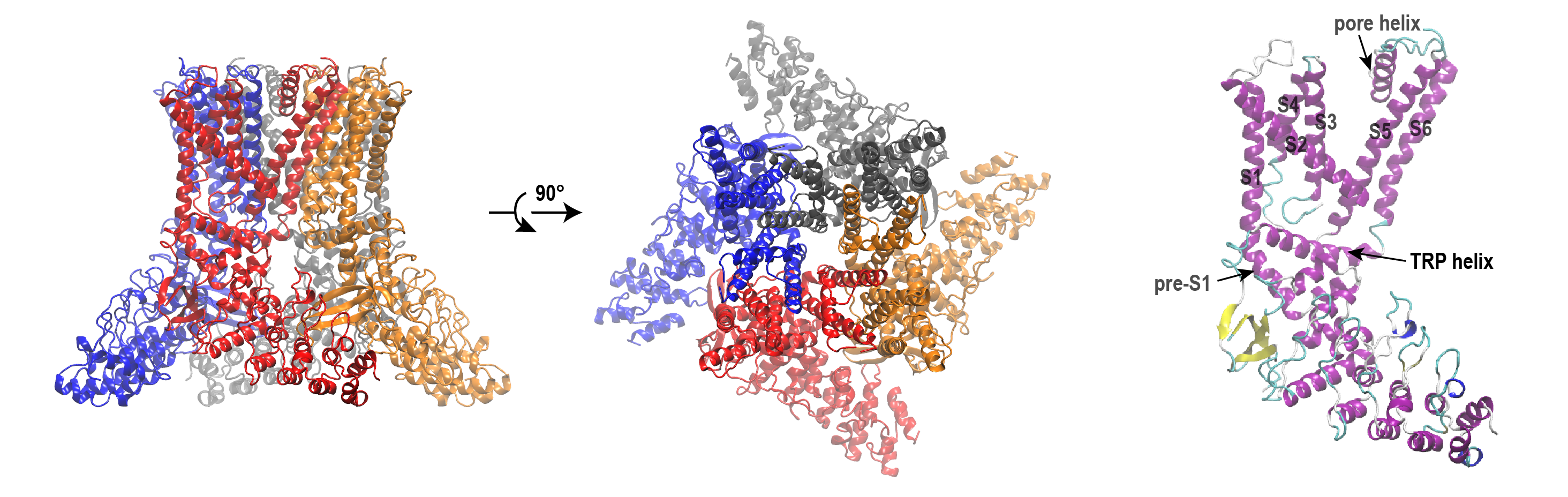
Read more
Coarse-grained simulations reveal how the phosphorylatable P1 domain docks onto the kinase P4 domain in multiple productive and nonproductive modes to regulate CheA autophosphorylation. 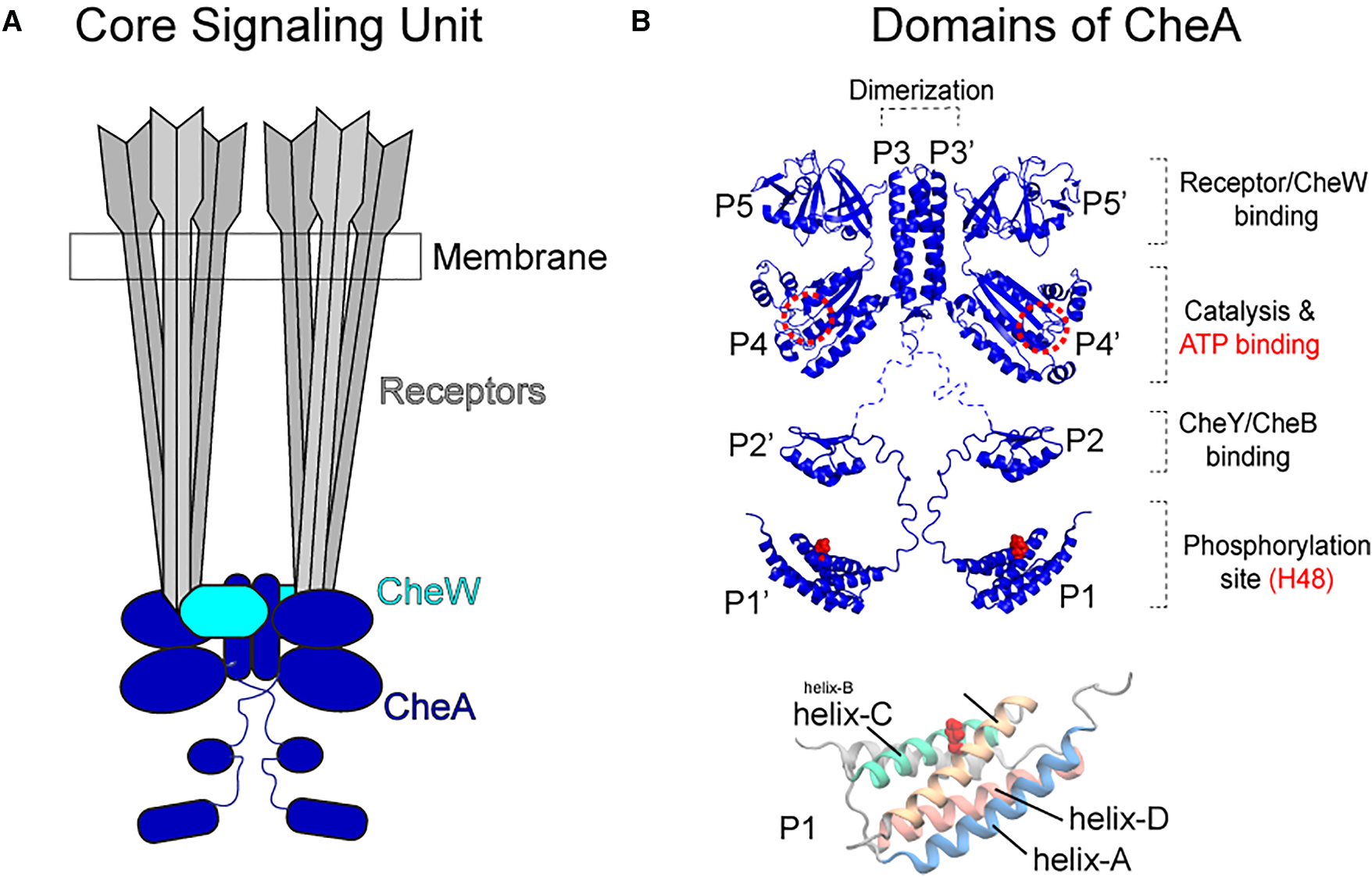
Read more
Incorporating biophysical features into deep learning overcomes extrapolation failures in protein sequence-function modeling. 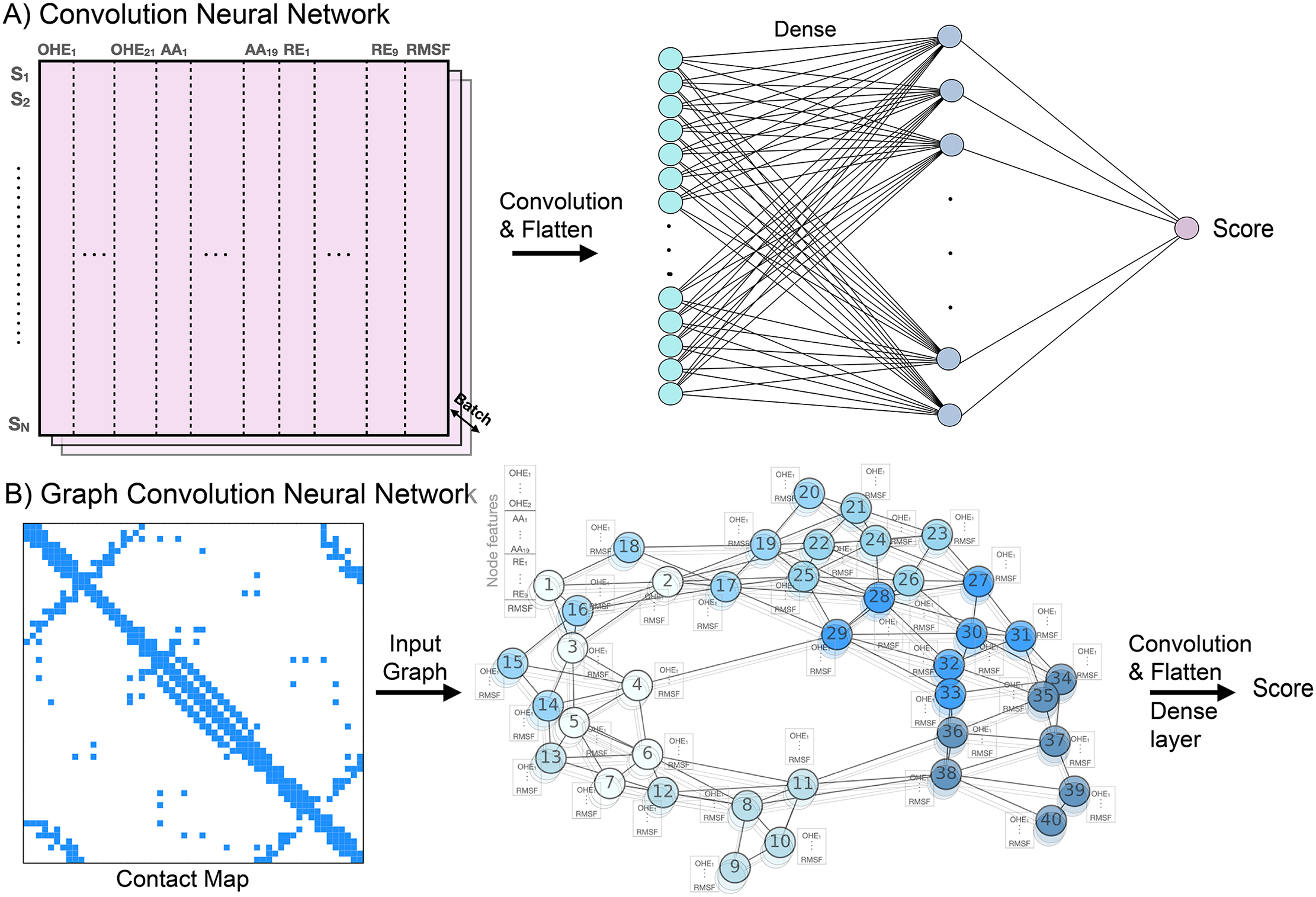
Read more
Contact frequency analysis and visualization for MD simulation trajectories Read more
use the STRIDE algorithm to assign helix, sheet and coil to protein structures or trajectories Read more
use the STRIDE algorithm to assign helix, sheet and coil to protein structures or trajectories Read more
This is a short tutorial of analyzing IDP (intrinsically disordered protein) trajectories. Prerequisites are the psf file (structural file) of your IDP system and the corresponding xtc (trajectory file). Read more
In this article, I want to include some VMD tricks based on my personal experience. VMD provides an official documentation, which can be found here: VMD-documentation. Readers are suggested to refer to the VMD User’s Guide for more detailed information. Read more
MD simulations allow us to characterize protein structure, dynamics and function in the all-atom and femto-second spatiotemporal resolution. However, interpreting data of high dimensionality, such as MD, to infer the inherent transitions between different metastable conformational states, can be tricky. Markov state model (MSM) provides a generally accepted, state-of-the-art dynamics analysis method. Read more
Contact frequency analysis and visualization for MD simulation trajectories Read more
This is a tutorial to:
# example
set style line 1 lc rgb "#8b0000" lw 2
set style line 2 lc -1 pt 7 ps 0.9